Icon by Muhammad Naufal Subhiansyah from Noun Project (CC BY 3.0)
Bergamot essential oil
Element - Wood
Property - refreshing
Note - Head
Group - Essential oil
Botanical name - Citrus aurantium var. bergamia
Plant family - Rutaceae (rue family)
Contents
Botany
Botanical name
Citrus aurantium var. bergamia
Plant family
Rutaceae (rue plant)
As a botanical layman, when you think of a juicy orange or lemon, you probably don't think of a rhombic plant. But citrus plants belong to this large family, as do cork trees (Phellodendron amurense), clover elms (Ptelea trifoliata) and skunk ashes (Tetradium). The plants scientifically known as Rutaceae belong to the order of soap trees and were previously only assigned to the Rutales. The plant family comprises up to 180 genera with a maximum of around 1,900 species. Many of them flower beautifully and exude a wonderful fragrance. Perhaps you will get to know a Mediterranean vacation destination in orange blossom at some point and experience a special kind of highlight. The citrus plants owe their beguiling aroma to their essential oils, which are used in cosmetics and perfume production, among other things.
Source:
→ My beautiful garden
→ More information about the plant family Rutaceae
Origin & distribution
Most Rutaceae like it warm. The majority therefore grow in the subtropical, tropical and temperate zones of the world, although numerous cultivated citrus varieties have been naturalized in the Mediterranean, America, the Middle East and other warmer regions. Citrus plants originally come from East Asia.
Source: → My beautiful garden
Origin for the production of the oils
Southern Italy, Ivory Coast, Argentina
Plant part used
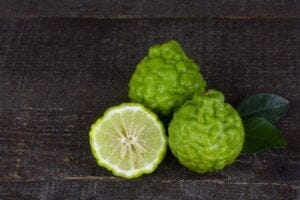
Bergamot essential oil is extracted from the cargo peel.
Ingredients Bergamot essential oil
- Monoterpenes
- Sequiterpenes
- Monoterpenols
- Aldehydes
- Ester
- Coumarins and furocoumarins
Warnings Bergamot essential oil
Internal use:
Not suitable for pregnant women, infants and small children.
External application:
Bergamot oil increases the skin's sensitivity to light and should not be applied before sunbathing. This also applies to the application of a massage oil or a perfume with a higher concentration of bergamot oil, as well as to kings water and even drinking Earl Grey tea. Furocoumarins are responsible for photosensitization.
Background
The essential oil is obtained by cold pressing the fruit peel. It is produced in southern Italy. The name comes from the Italian city of Bergamo. The plant and the oil have been used in Italian folk medicine for many centuries. It was used against fever, even malaria and worms. Above all, the high content of esters refreshes, relaxes and helps with insomnia.
Aroma
Grade
The perfumery counts bergamot among the Top notes.
Top notes
The top note describes aromas that are perceived immediately after opening the container. The top note conveys the first and often the decisive impression of a fragrance composition. They are often citrusy, green, fresh and Airy fragrances. The volatile fragrance molecules that open the door to the next fragrance phases evaporate very quickly. Already 10 - 15 minutes After application, there is hardly anything left of the top note fragrance.
You can find more interesting information on this in the article "→ World of fragrances".
Fragrance
fruity, green, spicy, citrusy
Mixes well with...








Quickly find suitable etheric oil combinations.
Carrier oils
Possible carrier oils depend on several criteria such as skin type and effect. Below I list some neutral carrier oils that can be used well because they are odorless and generally well tolerated.

You can find a wider selection of carrier oils in the → Aromatrix
Willkommen & trete ein...
werde Community-Mitglied und entdecke die vielfältigen Möglichkeiten des Balance Ausgleichs.
Übrigens,... viele weitere Vorteile warten auf dich!
Body, mind & soul
In the Body, Mind & Soul section, a possible therapeutic use of essential oils is described. An attempt is made to make both the Western and the Eastern perspective transparent.
The Western approach can be found under Effect and use differentiated according to body and mind & soul. For comparison, the Eastern approach describes the chakras and functional areas.
AROMATRIX - PLUS
in the practical flavor manual AROMATRIX
with comprehensive fact sheets on all oils
--- Aromatrix + oils profiles ---
Western approach
This section is written for the aroma therapy expert:
Effect
BODY
laxative, antibacterial, antiparasitic, antiseptic, antitoxic, slightly aquaretic, expectorant, sedative, antiflatulent, deodorizing, stimulates blood circulation, antipyretic, diuretic, skin regenerating, insecticidal, antispasmodic, stomach strengthening, prevents scarring, analgesic, expectorant, digestive stimulant, wound healing, vermifuge, cell regenerating
Mind & Soul
Stimulating, antidepressant, uplifting, relaxing, refreshing, promotes concentration, psychologically balancing
Use
BODY
Abscesses, acne, loss of appetite, respiratory tract infections, bronchitis, intestinal parasites, colitis, diphtheria, eczema, colds, flu, fever, boils, gallstones, ulcers, hemorrhoids, cystitis, urinary tract infections, mature skin, wrinkled skin, oily skin, herpes, insect repellent, insect bites, itching, carbuncles, colic, varicose veins, scabies, tonsillitis, meteorism, bad breath, oral mucositis, scars, genital fungal infection, tuberculosis, wounds
Mind & Soul
Anxiety, depression, distress, disappointment, nervousness, insomnia, stress-related complaints, restlessness
Eastern approach
This section is written for the TCM expert:
The tonic and regulating effect of the dominant esters of bergamot is balanced by the calming effect of the monoterpenes and creates a balance in the psycho-emotional aspects of the heart, liver and lungs.
5 elements
Element wood
Bergamot essential oil is associated with the element wood.
The element assignment of an essential oil is determined by the →Aroma profile and the direction of action. Bergamot oil has both yang and yin components. It is used as Yang in Yin because outward movements are already present in the fragrance.
Chakras
Heart Chakra (4th Chakra)
Bergamot essential oil is associated with the heart chakra (4th chakra).
A detailed explanation can be found in the following article: → Etheric oils & chakras
Functional areas
- Rectifies Liver Qi, calms the liver and normalizes Hun / Persepective: nervous depression and anxiety, frustration, unexpressed anger, mood swings, insomnia, addictive behavior due to nervousness, nervous indigestion, loss of appetite, colic, intestinal parasites
- frees the spirit, strengthens the psyche: heals emotional wounds in times of sadness or grief, so that you are better able to reach out to others
Sources:
Icon by Muhammad Naufal Subhiansyah from Noun Project (CC BY 3.0)
Texts are based on the following publications:
Pocket dictionary of aromatherapy by Dietrich Wabner, Verlag Systemisch Medizin, 2013
Aromatherapy with Chinese Medicine by Dennis Willmont, Willmountain Press, 2003
Applications
Sleep-promoting foot massage with bergamot
5 ELEMENTS APPLICATION
Sleep-promoting foot massage with bergamot essential oil.